
70 years later ex-serviceman returns to Barnton Bunker
"I am sitting here... I am the only one in charge of the Caledonian sector. What do I do?”
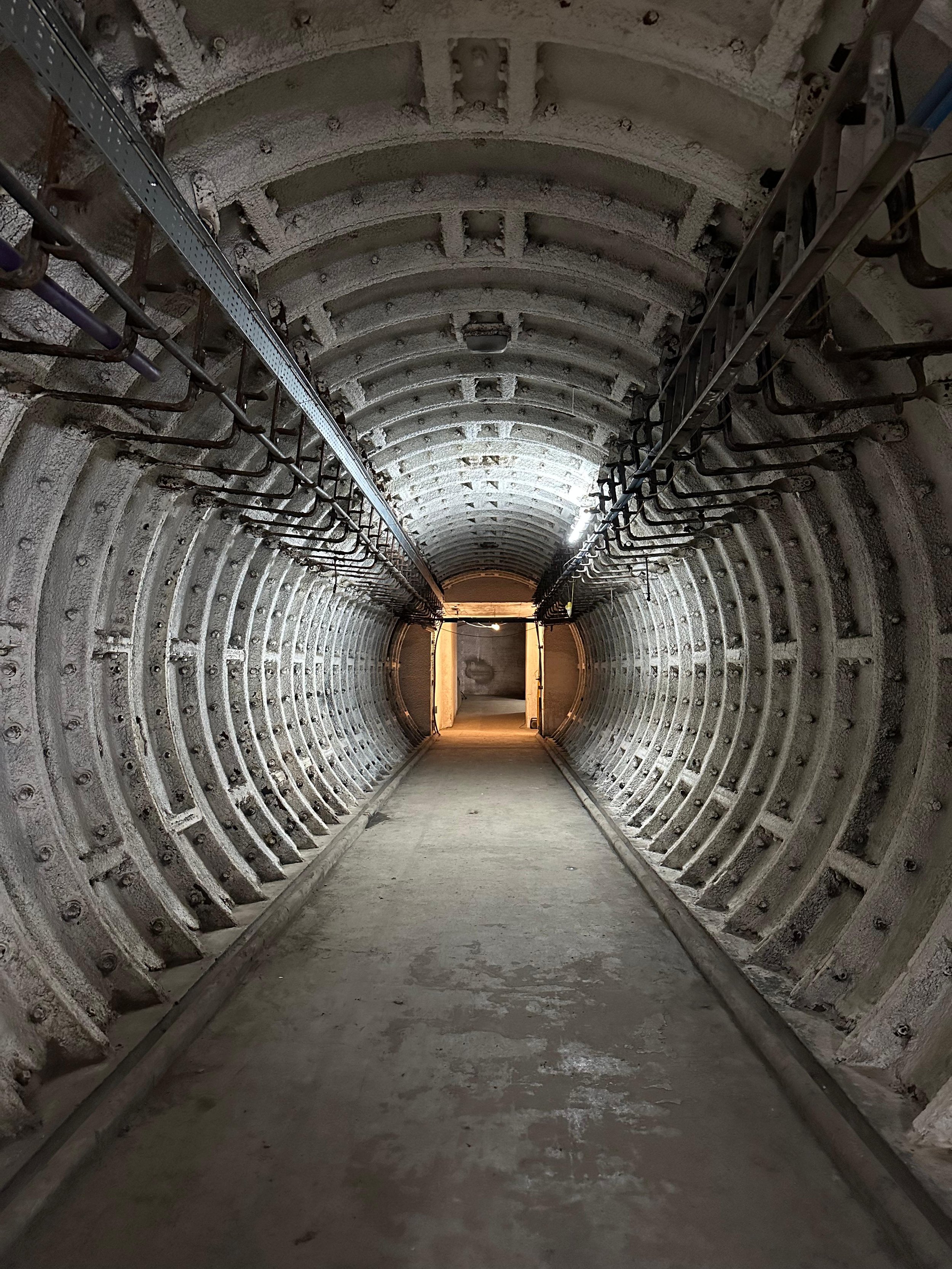
Hidden beneath woodland in Edinburgh, the bunker was never meant to be seen. Built as part of Britain’s secret ROTOR defence network, it existed for one reason: to detect an attack before it was too late, in the 1950s, the threat was real. Soviet long range bombers, potentially carrying nuclear weapons, could approach the United Kingdom at any time. If they reached their targets, the consequences would be devastating. Barnton Bunker was part of the system designed to stop that from happening. From deep underground, RAF personnel monitored radar across Scotland, tracked unidentified aircraft, and directed fighter jets to intercept and destroy any hostile planes before they could reach British airspace. There were only minutes to act.
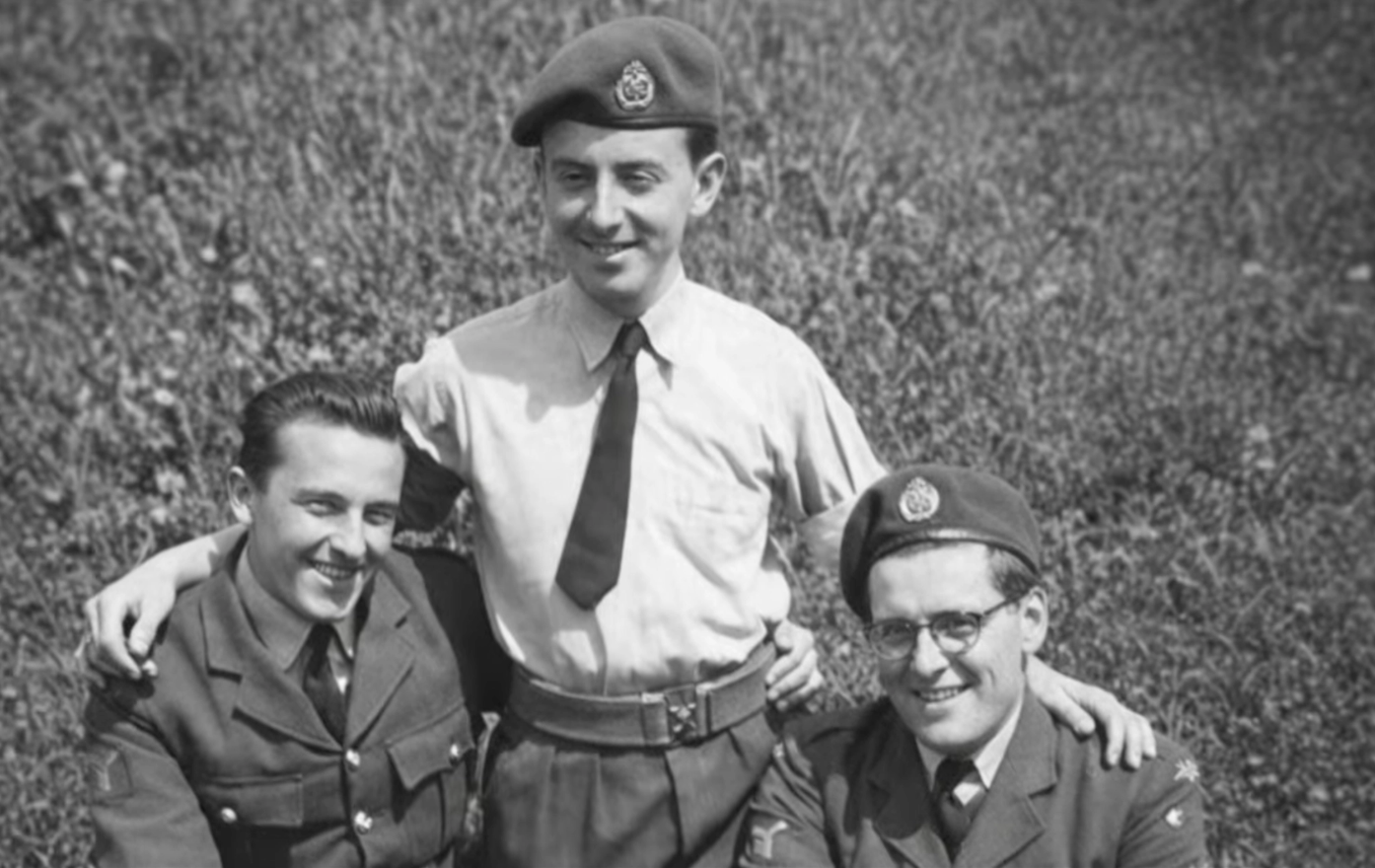
Alan served here as a 19 year old National Serviceman between 1955 and 1956. There is one moment he remembers that brings that reality into sharp focus.
It is the middle of a night shift. The controlling officer has stepped away. Alan is alone. He is sitting deep underground, on the second level of Barnton Bunker, surrounded by concrete, cut off from the outside world.
Above him, the ground. Above that, the city. But down here, there are no windows, no daylight, no sense of time. Only the knowledge of where he is, and what this place is for.
Around him, radar data from across Scotland is being turned into a live picture of the sky. Every aircraft, movement and unknown contact. In that moment, all of it rests with him.
"I am sitting here," he recalls. "I am the only one in charge of the Caledonian sector. What do I do?" He is 19. There is no one else in the room.
If something appeared on the radar, the response would begin in that room. Unknown aircraft were treated as hostile until proven otherwise. Fighter jets were scrambled regularly to intercept approaching aircraft, often Soviet, probing British airspace, testing the system, looking for weakness. Most turned away. But if one did not, there would be only minutes to respond.
Because the system Alan was part of existed for a single purpose: to stop a nuclear strike on the United Kingdom before it could happen. For a brief moment, deep underground, a teenager sat at the point where that chain of events would begin.
From Civilian to Cold War Operator
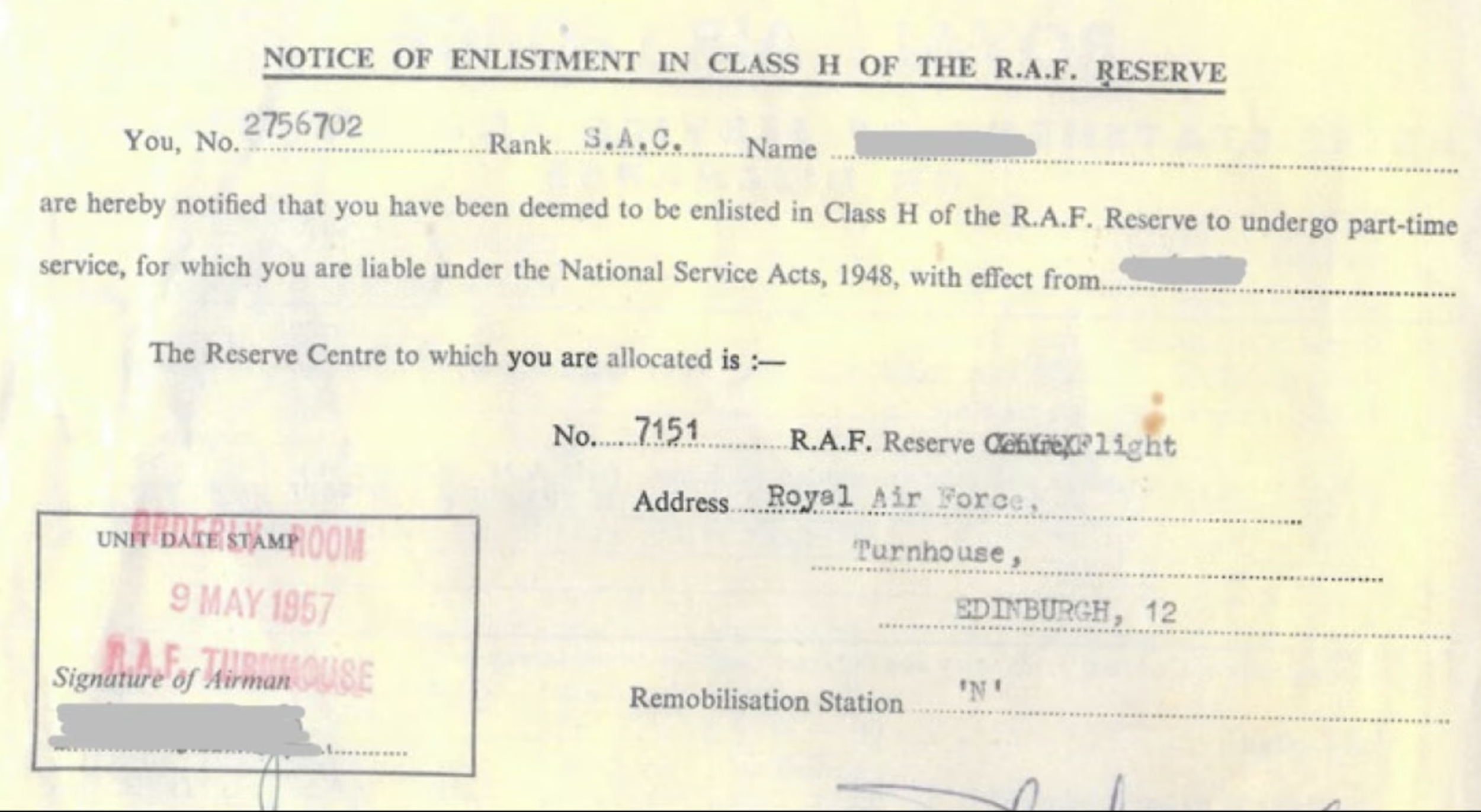
Alan did not want National Service. He dreaded it. The hardest part, he recalls, was the loss of identity.
“You did not belong to anybody, you belonged to the RAF.” Training at RAF Hednesford in Cannock Chase was harsh. “You were treated just like an animal.”
But things changed at Middle Wallop. He learned fighter plotting, how to take radar information and turn it into decisions that mattered.
There, he began to feel like himself again. “You became a person.”
At Barnton Quarry, that skill became part of something much larger.
Beneath the Surface
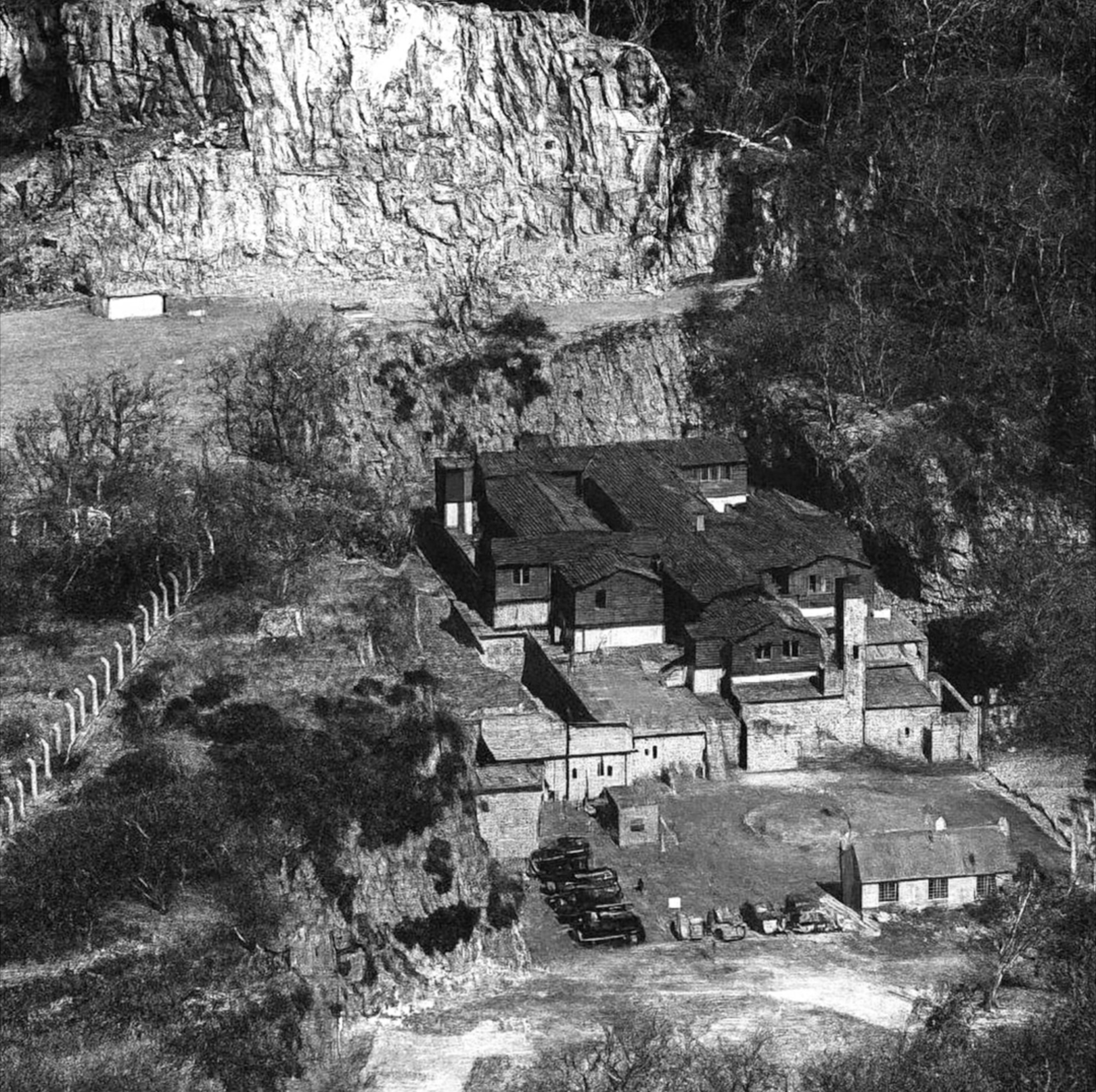
From the outside, there was nothing to see. That was deliberate.
Beneath the trees was a hardened, hidden control centre, designed to function in the opening moments of a conflict that could escalate without warning.
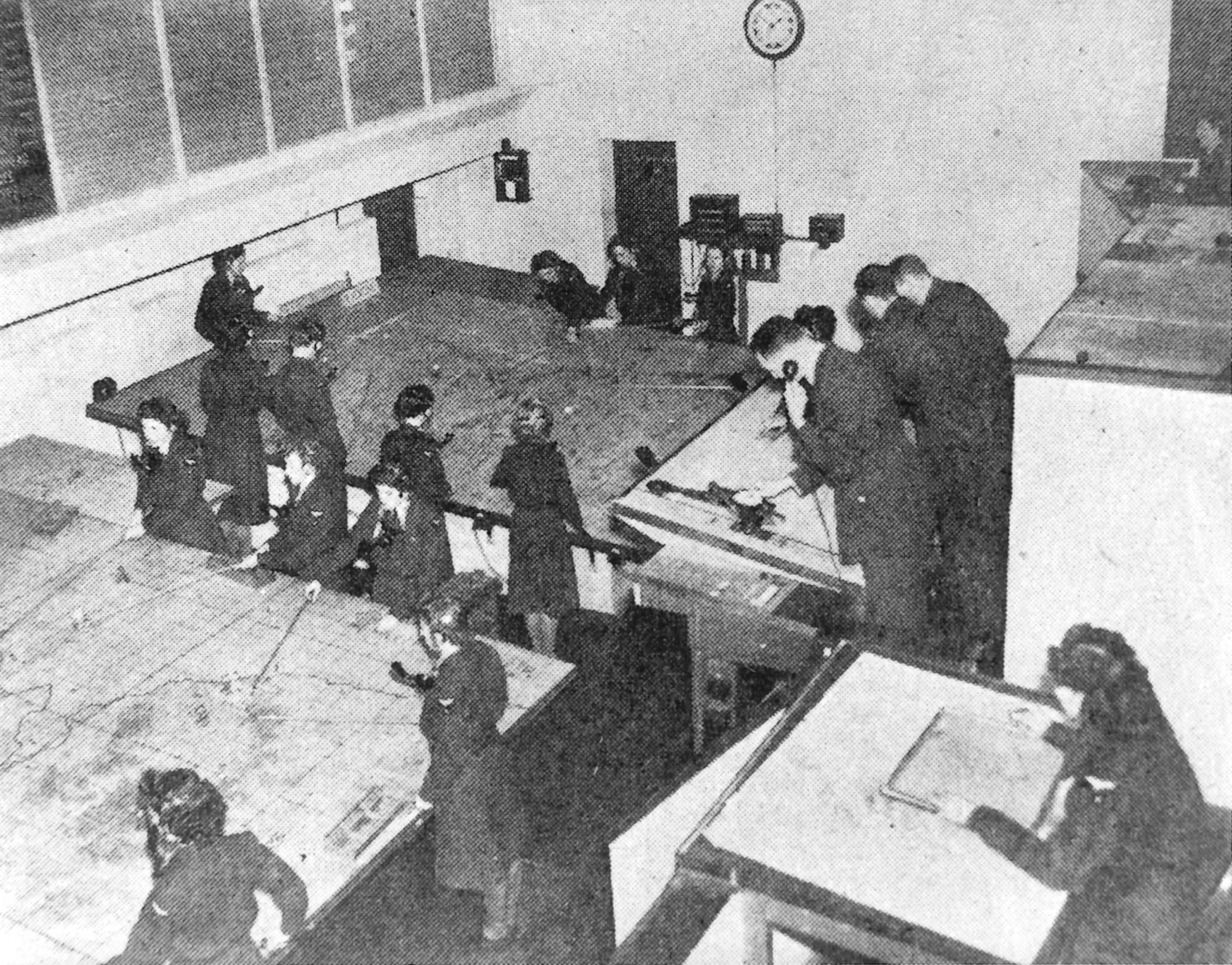
Inside, everything was focused on the sky. The operations room was dominated by large plotting tables, one covering the UK, another focused on Scotland and the Caledonian sector.
Plotters worked continuously, updating aircraft positions using long rods and coloured markers. Every two and a half minutes, the colour changed. Red. Yellow. Blue. A simple system, but critical. At a glance, officers could see not just where an aircraft was, but how current that information was. Because decisions had to be made quickly. Every unidentified aircraft was treated as a potential threat, each movement mattered and delay carried risk.
Responsibility Underground
Alan was quickly moved from the plotting floor to assist the control executive and air executive. His role placed him closer to decision making, handling incoming information, recording flight plans, and helping maintain the flow of communication that could lead to fighter interception.
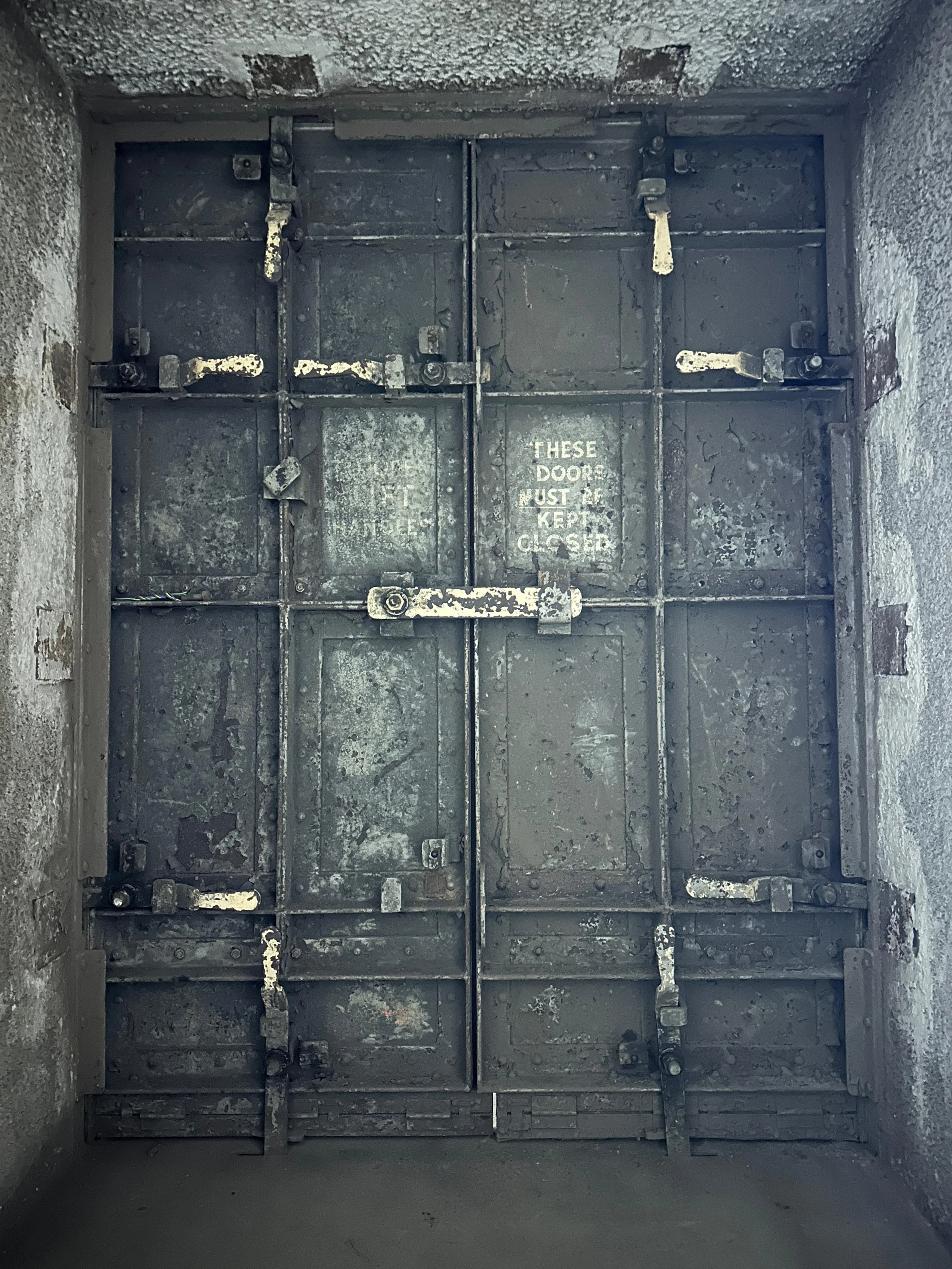
With his promotion came responsibility, and long hours underground. Security duty meant nights spent inside the bunker with a small team, patrolling its corridors. Two hours on, four hours off. Moving through silent rooms, level after level below ground. “So many different rooms,” Alan says. “And down at the bottom, the escape route felt quite eerie.”
Even at rest, the bunker never fully let go of its purpose. Then came the moment that would stay with him forever.
A helicopter crew delivering Christmas supplies to a lighthouse issued a Mayday call. Alan was on shift, listening as the situation unfolded over the radio.
“You were listening to somebody’s last words,” he says.
“And nothing you could do about it.”
Even here, deep underground, the reality of what could go wrong was never far away.
Returning After 70 Years
Alan left the RAF in September 1956 to begin teacher training. Even then, the world was changing. Radar technology was advancing, and the role of places like Barnton was beginning to shift.
But at the time he served, its purpose had been clear. To watch the skies, detect the threat and to act before it was too late. For nearly 70 years, he did not return…
Until now!
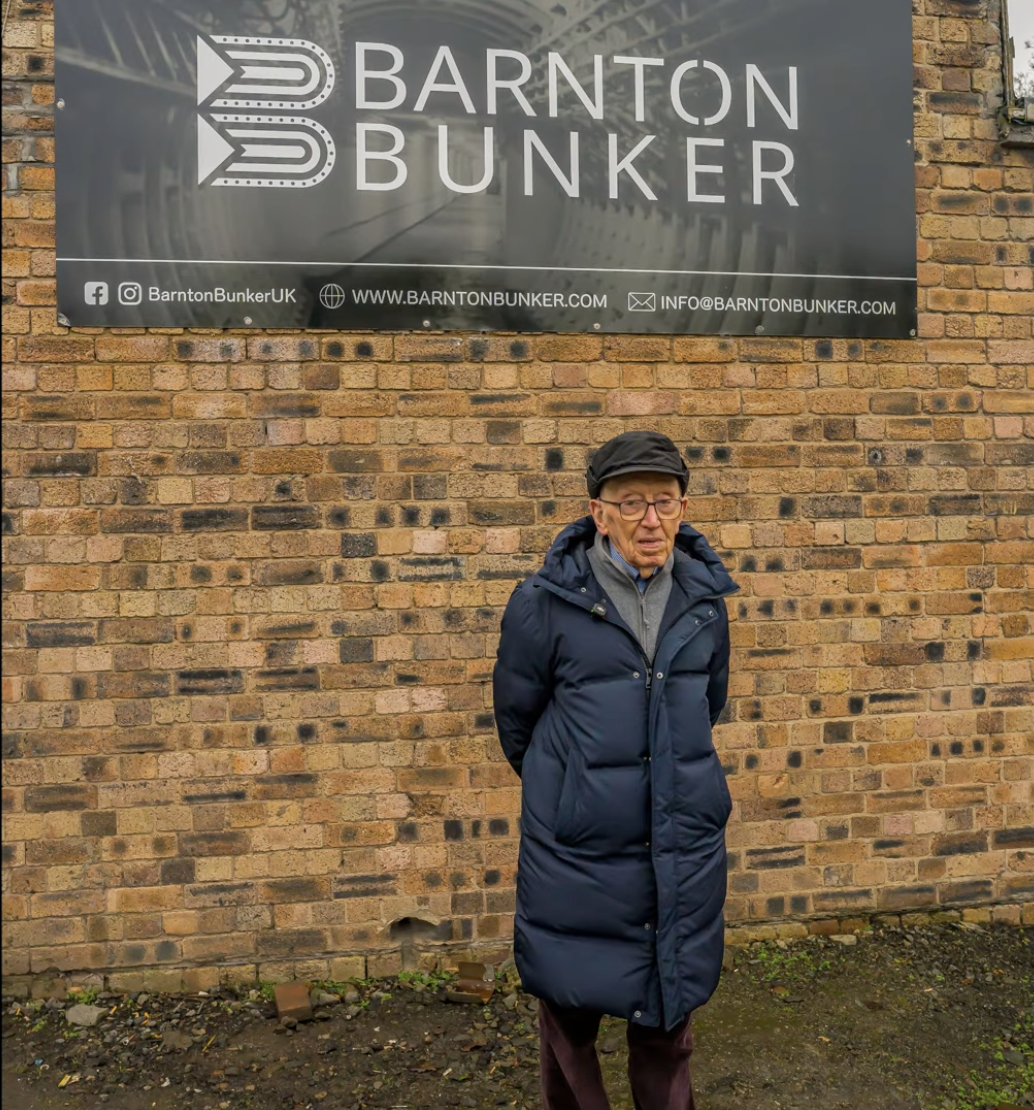
“Such a shame it was damaged by fire, but it is coming along nicely. Nostalgic, and strange, very strange.”
Perhaps that is exactly right because Barnton Bunker is not just a structure. It is a system that once stood ready for a moment no one wanted to come. A place where time was measured in minutes. Where decisions could not be delayed. Where, for a brief moment, deep underground, a 19 year old realised that if something appeared in the sky, the responsibility to act would begin with him.
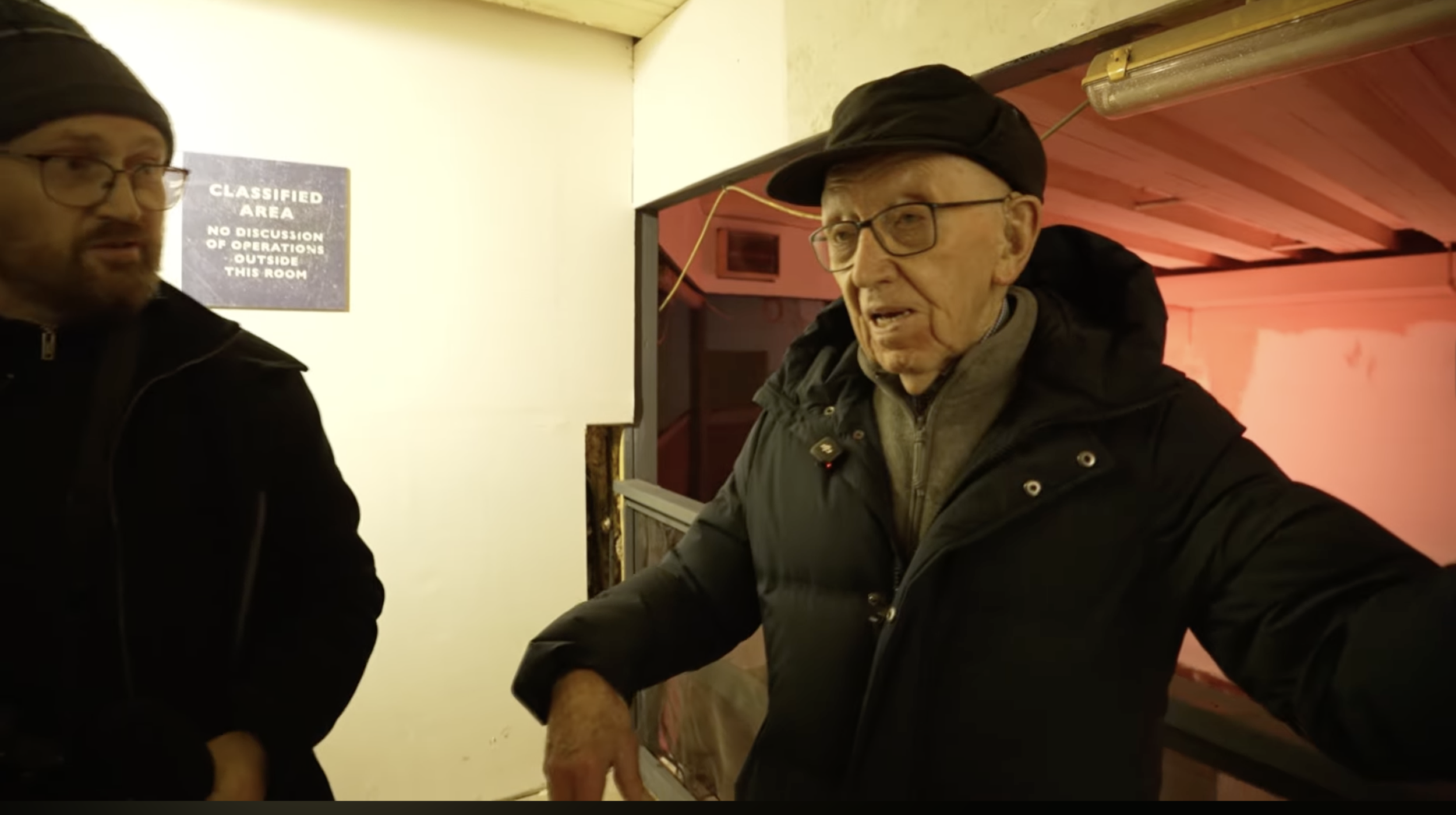
Standing once again inside the bunker, Alan’s reaction is not simple;
Alan Treloar served at Barnton Bunker from 1955 to 1956 as part of his National Service with the RAF. You can catch the full YouTube video here.
His testimony forms part of an ongoing oral history project.
If you or someone you know served at the bunker, the team would welcome hearing from you. Contact us at: info@barntonbunker.com
